 By Zane Josie
Flexibility is often treated as a quick-win goal in fitness, but in reality, it is a slow, adaptive process that requires patience, intelligent programming, and consistency. Yoga offers one of the most effective pathways to long-term flexibility gains when practiced with intention. The key lies not in random poses, but in structured flow planning that supports gradual tissue adaptation, joint health, and nervous system regulation.
This article explores how to design yoga flows that build sustainable flexibility without overstraining the body, helping you move better for years rather than weeks.
Understanding Flexibility vs. Mobility
Before planning any yoga flow, it is important to clarify two often-confused terms:
- Flexibility: The ability of muscles to lengthen passively
- Mobility: The ability of joints to move actively through a range of motion
Yoga flows should ideally develop both. Focusing only on passive stretching can lead to instability, while ignoring flexibility limits movement quality. Sustainable progress comes from combining both elements within your sequences.
Why Flow Structure Matters
A random collection of poses may feel good in the moment but rarely leads to long-term improvement. Structured flows provide:
- Progressive loading of tissues
- Neuromuscular adaptation through repetition
- Balanced muscle engagement and release
- Reduced injury risk
A well-designed flow respects how the body warms up, stretches, and recovers within a single session.
Core Principles of Sustainable Yoga Flow Planning
1. Gradual Warm-Up Is Non-Negotiable
Flexibility gains occur more safely when tissues are warm and responsive. Start each session with movements that increase circulation and joint readiness.
Examples of warm-up elements:
- Cat-Cow spinal waves
- Gentle lunges with arm reaches
- Slow Sun Salutation variations
Avoid jumping straight into deep stretches. Cold muscles resist lengthening and increase injury risk.
2. Use Dynamic Before Static Stretching
Dynamic movement prepares the body better than holding poses too early.
Dynamic phase benefits:
- Activates muscles while lengthening them
- Improves coordination and control
- Signals the nervous system that movement is safe
For example, instead of holding a deep hamstring stretch immediately, flow through forward folds with controlled breathing.
3. Sequence Intelligently
A yoga flow should follow a logical progression. Think of it as a story where each pose builds on the previous one.
Typical structure:
- Warm-up
- Dynamic flow
- Peak poses
- Cool-down and integration
Jumping between unrelated poses disrupts the body’s adaptation process.
4. Respect Muscle Pairing
Muscles work in opposing pairs. Stretching one group without engaging its counterpart can create imbalances.
Examples:
- Hamstrings vs. quadriceps
- Hip flexors vs. glutes
- Chest vs. upper back
Balanced flows alternate between stretching and strengthening these pairs.
5. Prioritize Breath Control
Breathing is not just supportive, it is essential for flexibility gains.
- Slow breathing reduces muscle guarding
- Deep exhalation allows deeper stretch access
- Rhythmic breath improves movement quality
Holding your breath during stretches signals stress, limiting progress.
Designing a Yoga Flow for Flexibility Gains
Step 1: Define the Target Area
Choose a primary focus for each session rather than trying to stretch everything at once.
Examples of focus areas:
- Hamstrings
- Hip flexors
- Shoulders
- Spine
This targeted approach allows deeper, more meaningful progress.
Step 2: Build a Progressive Flow
Start with general movements, then gradually increase intensity.
Example for hamstring-focused flow:
- Warm-up: Cat-Cow, gentle forward folds
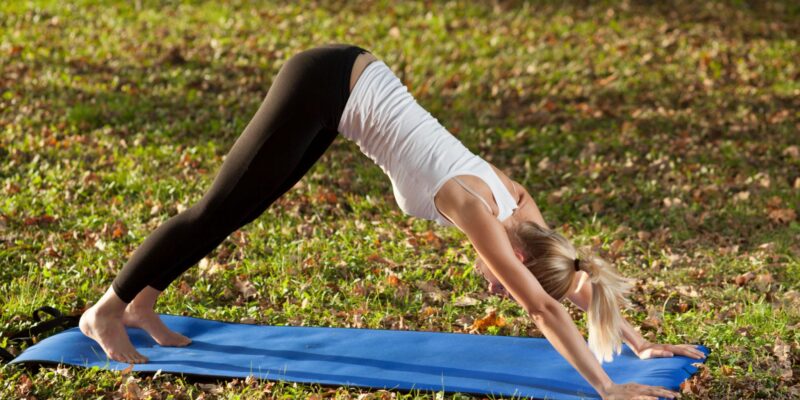
- Dynamic phase: Half splits with movement
- Flow phase: Standing sequences incorporating forward bends
- Peak pose: Deep seated forward fold
- Cool-down: Supine stretches
Each stage prepares the next.
Step 3: Include Active Engagement
Flexibility improves faster when muscles are actively engaged.
Techniques:
- Contract-relax stretching
- Isometric holds
- Controlled transitions
This builds strength within the new range of motion, making gains more permanent.
Step 4: Limit Overstretching
More intensity does not equal better results. Overstretching can lead to:
- Micro-tears
- Joint instability
- Delayed progress
Instead, aim for mild to moderate discomfort, not pain.
Step 5: Finish with Integration
The final phase of your flow should allow the body to absorb the work done.
Examples:
- Gentle spinal twists
- Relaxed breathing in a resting pose
- Light mobility movements
This step supports recovery and long-term adaptation.
Weekly Planning for Sustainable Results
Consistency matters more than intensity. A balanced weekly plan could look like this:
3–5 sessions per week:
- 2 sessions focused on lower body flexibility
- 1–2 sessions for upper body and spine
- 1 lighter recovery or mobility session
Avoid repeating the same intense stretch daily. Muscles need time to adapt.
Common Mistakes to Avoid
Ignoring Strength Work
Flexibility without strength creates unstable joints. Always pair stretching with muscle activation.
Chasing Quick Results
Rapid flexibility gains often come from overstretching rather than true adaptation. Sustainable progress is gradual.
Skipping Recovery
Rest is where adaptation happens. Without it, progress stalls.
Holding Poses Too Long Too Soon
Long static holds should come after proper preparation, not at the start of a session.
Measuring Progress Effectively
Flexibility is not just about touching your toes. Look for broader indicators:
- Improved ease of movement
- Reduced muscle tension
- Better posture
- Increased control in poses
Tracking these changes provides a more accurate picture of progress.
The Role of Consistency Over Intensity
Short, regular sessions outperform occasional long sessions. Even 20–30 minutes of structured practice can lead to noticeable improvements over time.
Focus on building a habit rather than pushing limits. Sustainable flexibility is the result of repeated, mindful practice.
Sample Yoga Flow Outline
Here is a simple, balanced flexibility-focused flow:
Warm-Up (5–8 minutes):
- Cat-Cow
- Gentle lunges
- Arm circles
Dynamic Flow (10 minutes):
- Sun Salutations
- Flowing forward folds
- Low lunges with movement
Peak Phase (10–15 minutes):
- Deep lunges
- Seated forward fold
- Pigeon pose variations
Cool-Down (5–10 minutes):
- Supine twists
- Gentle stretches
- Relaxation with slow breathing
This structure ensures safety, effectiveness, and long-term progress.
Mental Approach to Flexibility Training
Flexibility is as much mental as physical. The nervous system often limits range of motion to protect the body.
Approach your practice with:
- Patience
- Awareness
- Non-competitive mindset
Forcing movement creates resistance. Allowing movement builds trust within the body.
FAQ Section
What is the best time of day to practice yoga for flexibility?
Morning sessions help wake up the body, while evening sessions may allow deeper stretches due to warmer muscles. Choose a time you can maintain consistently.
How long does it take to see flexibility improvements?
Most people notice changes within 3 to 6 weeks of consistent practice, though significant gains may take several months.
Can beginners safely follow yoga flows for flexibility?
Yes, as long as flows are modified to match their current level and avoid pushing into pain.
Should I feel pain while stretching in yoga?
No. Mild discomfort is normal, but sharp or intense pain is a sign to stop immediately.
How important is hydration for flexibility?
Proper hydration supports muscle elasticity and reduces the risk of stiffness and injury.
Can yoga alone improve flexibility without other workouts?
Yes, but combining yoga with strength training often leads to better and more balanced results.
Is it better to hold stretches longer or move dynamically?
Both are important. Dynamic movements prepare the body, while static holds deepen flexibility when used at the right time.
By planning your yoga flows with intention and consistency, you can achieve flexibility gains that are not only noticeable but sustainable for the long term.