 By Zane Josie
Introduction
Mental clarity is often treated as something abstract, yet it is deeply influenced by physical surroundings. The spaces we occupy shape how we think, focus, and respond to daily challenges. In indoor environments, especially where people spend long hours working or relaxing, clutter, poor lighting, and constant distractions can quietly erode concentration.
A wellness corner is a dedicated space designed to reset the mind and support clarity. It does not require a large area or expensive setup. What matters is intentional design. When structured thoughtfully, even a small corner can become a powerful anchor for focus, calm, and productivity.
This article explores how to create wellness corners that genuinely improve mental clarity indoors, along with practical design ideas and the science behind why they work.
What Is a Wellness Corner
A wellness corner is a designated area within a room that promotes mental relaxation, focus, and emotional balance. Unlike general decor, it serves a clear purpose: to provide a space where the mind can recharge or concentrate without interference.
Core Characteristics
- Minimal distractions to support focus
- Comfortable seating or posture support
- Calming visual elements
- Intentional lighting
- Personal relevance or meaning
The goal is not decoration alone, but function. Every element should contribute to mental clarity.
Why Indoor Spaces Affect Mental Clarity
The human brain constantly processes environmental stimuli. Noise, clutter, lighting, and even color can influence cognitive performance.
Key Environmental Factors
- Visual clutter increases cognitive load and reduces focus
- Poor lighting strains the eyes and lowers alertness
- Noise pollution disrupts concentration
- Lack of natural elements can increase stress levels
A wellness corner addresses these factors by creating a controlled, supportive micro-environment.
Choosing the Right Location
The effectiveness of a wellness corner starts with its placement. Even the best design cannot compensate for a poorly chosen location.
Ideal Placement Tips
- Select a quiet area away from heavy foot traffic
- Position near a window for natural light, if possible
- Avoid areas near televisions or constant noise sources
- Use corners or underutilized spaces to create separation
Small Space Solutions
- Convert a section of a bedroom into a focus zone
- Use a balcony corner for a calming retreat
- Transform a hallway nook into a reading or breathing area
The key is to create a sense of separation, even within a shared space.
Essential Elements of an Effective Wellness Corner
1. Comfortable Seating
Seating should support both relaxation and alertness.
- A supportive chair for reading or work
- Floor cushions for meditation
- A small bench for flexibility
Comfort reduces physical distractions, allowing the mind to focus.
2. Lighting That Supports Focus
Lighting has a direct impact on mood and clarity.
- Use natural light whenever possible
- Add soft, warm lighting for calming effects
- Avoid harsh overhead lights
- Consider adjustable lamps for different activities
Balanced lighting reduces eye strain and improves mental alertness.
3. Decluttered Environment
Clutter competes for attention and reduces cognitive efficiency.
- Keep only essential items in the space
- Use storage solutions to hide unnecessary objects
- Maintain a clean and organized layout
A simple environment helps the brain process information more efficiently.
4. Natural Elements
Incorporating nature can significantly improve mental clarity.
- Indoor plants for visual calm
- Natural materials like wood or stone
- Fresh air circulation when possible
These elements create a grounding effect that reduces stress.
5. Personal Touches
A wellness corner should feel meaningful, not generic.
- A favorite book or journal
- Artwork that inspires calm
- Objects associated with positive memories
Personal relevance increases emotional connection to the space.
The Role of Color in Mental Clarity
Color psychology plays a subtle but powerful role in how we feel and think.
Recommended Colors
- Soft greens for balance and calm
- Light blues for focus and relaxation
- Neutral tones for simplicity and clarity
Colors to Use Sparingly
- Bright red or intense colors that may overstimulate
- Dark shades that can make the space feel heavy
Choosing the right color palette helps create a mental environment that supports clarity rather than distraction.
Sound Management for Better Focus
Noise is one of the most common disruptors of mental clarity. A wellness corner should minimize unwanted sounds while allowing for calming audio if desired.
Effective Strategies
- Use rugs or curtains to absorb sound
- Add white noise or soft background music
- Use noise-canceling tools if necessary
Controlling sound creates a stable environment for concentration and relaxation.
Incorporating Mindfulness Practices
A wellness corner becomes more effective when paired with intentional habits.
Activities to Include
- Breathing exercises to reset focus
- Meditation sessions for mental clarity
- Journaling to organize thoughts
- Reading to engage the mind constructively
These practices reinforce the purpose of the space and build consistency.
Digital Boundaries in Wellness Corners
Technology can both help and hinder mental clarity. Setting boundaries is essential.
Practical Guidelines
- Keep phones on silent or outside the space
- Avoid multitasking with multiple screens
- Use the space for focused or calming activities only
Reducing digital distractions allows the brain to recover from constant stimulation.
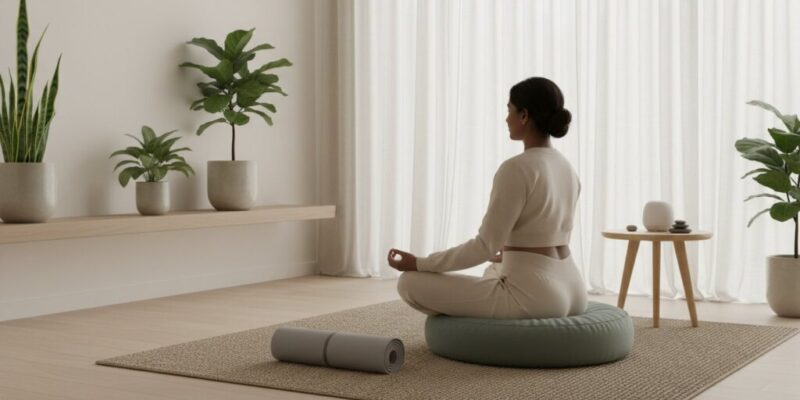
Visual Inspiration for Wellness Corners
Adapting Wellness Corners for Different Needs
Not everyone uses a wellness corner in the same way. Customization ensures it meets specific goals.
For Focus and Productivity
- Add a small desk or writing surface
- Use task lighting for clarity
- Keep tools and materials organized
For Relaxation and Stress Relief
- Include soft textures like blankets or cushions
- Use calming scents such as lavender
- Keep lighting warm and dim
For Creativity
- Add sketchbooks or creative tools
- Use inspiring visuals or mood boards
- Allow flexibility in layout
Adapting the space ensures it remains useful and relevant.
Maintaining the Space Over Time
A wellness corner is only effective if it is maintained.
Simple Maintenance Habits
- Clean and declutter regularly
- Refresh elements like plants or decor
- Adjust lighting or layout as needed
- Reevaluate its effectiveness periodically
Consistency keeps the space aligned with its purpose.
Long-Term Benefits of Wellness Corners
When used regularly, wellness corners can lead to noticeable improvements.
Key Benefits
- Increased focus and productivity
- Reduced mental fatigue
- Improved emotional balance
- Better stress management
- Enhanced overall well-being
These benefits compound over time, making the effort worthwhile.
Conclusion
Creating a wellness corner is not about adding more to your space, but about removing what interferes with clarity and adding what supports it. By focusing on simplicity, comfort, and intentional design, you can create an indoor environment that helps your mind function at its best.
Even a small, thoughtfully arranged corner can become a powerful tool for improving mental clarity. The key is consistency in both design and use. When the space is respected and used with purpose, it becomes more than just a corner—it becomes a daily reset for the mind.
FAQ Section
1. How much space is needed to create a wellness corner
A wellness corner can be as small as a single chair with a small table. The effectiveness depends more on design than size.
2. Can a wellness corner be shared with others in the home
Yes, but it works best when clear boundaries are set so the space remains quiet and purposeful.
3. What is the best time of day to use a wellness corner
It depends on your routine. Many people benefit from using it in the morning for focus or in the evening for relaxation.
4. Do I need expensive items to create an effective wellness corner
No, simple and affordable items can be just as effective if chosen thoughtfully.
5. How often should I update or change the setup
Minor adjustments can be made as needed, but the core setup should remain consistent to build familiarity.
6. Can scents or aromatherapy improve mental clarity
Yes, certain scents can promote relaxation and focus when used appropriately in a well-ventilated space.
7. Is a wellness corner useful for remote work environments
Yes, it can improve focus, reduce distractions, and create a clear boundary between work and relaxation.