 By Zane Josie
Introduction
Every day, skin is exposed to environmental stressors that can disrupt its natural balance. Sunlight, pollution, wind, temperature changes, and dry air all affect how skin looks and feels. While these exposures are often unavoidable, the way you care for your skin afterward determines how well it recovers.
Skin recovery is not about quick fixes. It involves restoring hydration, repairing the skin barrier, and reducing inflammation caused by external factors. With the right techniques, skin can regain its smooth texture, resilience, and healthy appearance.
This article explains how environmental exposure affects the skin and outlines practical recovery techniques that support long-term skin health.
How Environmental Exposure Affects Skin
Environmental factors impact the outermost layer of the skin, known as the barrier. When this barrier is compromised, moisture escapes more easily, and irritants can penetrate deeper.
Common Environmental Stressors
- Sun exposure leading to dryness and damage
- Air pollution introducing harmful particles
- Wind causing irritation and moisture loss
- Cold weather reducing hydration levels
- Heat increasing oil production and sensitivity
Visible Effects on Skin
- Rough or uneven texture
- Redness or irritation
- Increased dryness or oiliness
- Dull appearance
- Sensitivity to products
Understanding these effects helps guide the recovery process.
Immediate Post-Exposure Care
The first few hours after environmental exposure are critical for minimizing damage.
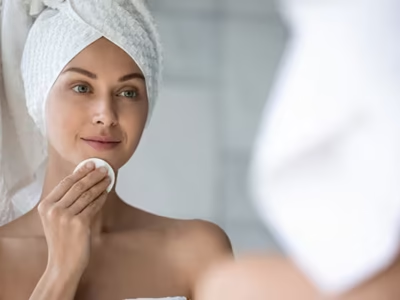
Gentle Cleansing
Cleansing removes pollutants, sweat, and residue that can irritate the skin.
- Use a mild cleanser that does not strip natural oils
- Avoid hot water, which can increase dryness
- Pat skin dry instead of rubbing
Clean skin allows recovery products to work more effectively.
Cooling and Soothing
After exposure to sun or heat, calming the skin is essential.
- Apply cool compresses to reduce irritation
- Use soothing products with calming ingredients
- Avoid applying multiple active treatments immediately
This step helps reduce inflammation and discomfort.
Restoring the Skin Barrier
The skin barrier is essential for protecting against environmental damage. Repairing it is a key part of recovery.
Key Ingredients for Barrier Repair
- Ceramides to strengthen the outer layer
- Fatty acids to support structure
- Cholesterol to maintain balance
Practical Steps
- Apply barrier-repair creams regularly
- Avoid over-exfoliating during recovery
- Keep skincare routines simple
A strong barrier helps prevent further damage and supports healing.
Rehydration and Moisture Retention
Environmental exposure often leads to dehydration, making hydration a top priority.
Effective Hydration Techniques
- Use humectants like hyaluronic acid to attract moisture
- Apply moisturizers that lock in hydration
- Layer products from light to heavy for better absorption
Internal Hydration
- Drink enough water throughout the day
- Maintain a balanced diet that supports hydration
Hydrated skin appears smoother and more resilient.
Managing Inflammation and Redness
Inflammation is a common response to environmental stress.
Signs of Inflammation
- Redness
- Warmth or sensitivity
- Swelling in affected areas
Calming Strategies
- Use products with soothing properties
- Avoid harsh ingredients during recovery
- Minimize exposure to additional stressors
Reducing inflammation helps the skin return to a balanced state.
Sun Exposure Recovery Techniques
Sun exposure is one of the most significant environmental factors affecting skin.
Post-Sun Care
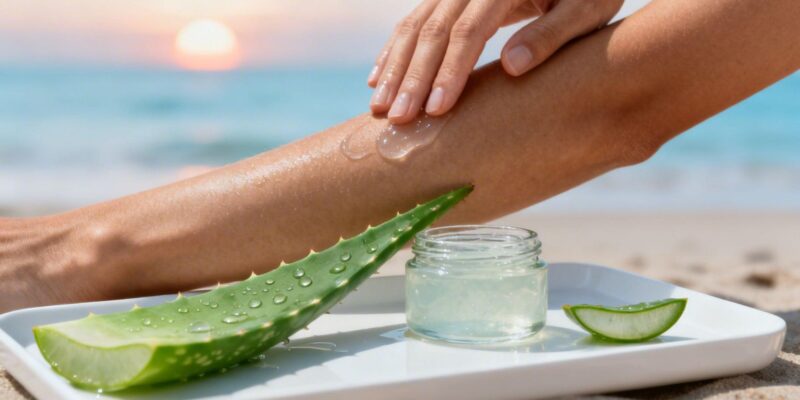
- Apply soothing gels or creams to calm the skin
- Focus on hydration to restore moisture loss
- Avoid further sun exposure while the skin recovers
Long-Term Considerations
- Support collagen production through proper care
- Maintain consistent protection during future exposure
Proper recovery reduces the risk of long-term damage.
Pollution Defense and Recovery
Pollution introduces microscopic particles that can cling to the skin.
Recovery Steps
- Double cleanse to remove impurities thoroughly
- Use antioxidant-rich products to neutralize damage
- Maintain a consistent cleansing routine
These steps help protect the skin from lingering pollutants.
Wind and Cold Weather Recovery
Cold and windy conditions can strip moisture from the skin.
Effects
- Tightness and dryness
- Flaking or rough texture
- Increased sensitivity
Recovery Techniques
- Use richer moisturizers to restore hydration
- Protect skin with barrier-supporting products
- Limit exposure to harsh conditions when possible
Restoring moisture is essential for recovery in colder environments.
The Role of Sleep in Skin Recovery
Sleep is when the body performs most of its repair processes.
Benefits of Quality Sleep
- Enhanced cell regeneration
- Improved circulation
- Faster healing of damaged areas
Improving Sleep for Skin Health
- Maintain a consistent sleep schedule
- Create a comfortable sleeping environment
- Avoid stimulants before bedtime
Good sleep supports all aspects of skin recovery.
Nutrition That Supports Skin Repair
What you eat influences how well your skin recovers from environmental exposure.
Key Nutrients
- Antioxidants to combat environmental damage
- Vitamins that support repair processes
- Healthy fats for barrier strength
Practical Tips
- Include fruits and vegetables in your diet
- Maintain balanced meals
- Stay hydrated
Nutrition complements external skincare efforts.
Avoiding Over-Treatment During Recovery
It can be tempting to use multiple products after exposure, but this can worsen irritation.
Common Mistakes
- Using strong active ingredients immediately
- Over-exfoliating damaged skin
- Applying too many products at once
Better Approach
- Keep routines simple and focused
- Introduce treatments gradually
- Monitor how the skin responds
Less is often more when the skin is recovering.
Visual Guide to Skin Recovery After Exposure
Long-Term Skin Protection Strategies
Recovery is only part of the process. Preventing future damage is equally important.
Preventive Measures
- Use protective skincare regularly
- Maintain consistent hydration
- Limit exposure to extreme conditions
- Build habits that support overall skin health
Prevention reduces the need for intensive recovery.
Building a Consistent Recovery Routine
Consistency is key to maintaining healthy skin.
Simple Routine Structure
- Cleanse gently
- Apply soothing treatments
- Hydrate and moisturize
- Protect and maintain
Repeating these steps helps the skin adapt and strengthen over time.
Conclusion
Environmental exposure is an unavoidable part of daily life, but its effects on the skin can be managed effectively. By focusing on gentle cleansing, hydration, barrier repair, and inflammation control, you can support your skin’s natural recovery process.
The goal is not perfection but resilience. With consistent care and thoughtful habits, your skin can recover more efficiently and maintain a healthier appearance despite ongoing exposure.
FAQ Section
1. How quickly can skin recover after environmental exposure
Recovery time varies depending on the level of exposure and the care provided, but noticeable improvement often occurs within a few days.
2. Can I use active skincare products immediately after sun exposure
It is better to wait until the skin has calmed down before reintroducing strong active ingredients.
3. Does drinking water alone improve skin recovery
Hydration helps, but it should be combined with proper skincare for effective results.
4. How can I tell if my skin barrier is damaged
Signs include dryness, irritation, sensitivity, and increased reaction to products.
5. Is it necessary to change skincare routines based on weather
Yes, adjusting routines to match environmental conditions can improve skin health and recovery.
6. Can pollution cause long-term skin damage
Yes, prolonged exposure without proper care can contribute to premature aging and other skin issues.
7. What is the most important step in skin recovery
Restoring hydration and repairing the skin barrier are the most critical steps.