 By Zane Josie
Choosing a wellness retreat is a wonderful way to take a break from everyday responsibilities, focus on self-care, and create healthier lifestyle habits. With diverse landscapes, traditional wellness practices, and peaceful natural surroundings, India offers a variety of experiences for people seeking relaxation, rejuvenation, and personal well-being. However, selecting the right retreat requires understanding your goals and finding a programme that suits your preferences.
When exploring India wellness retreats, consider your personal wellness goals, preferred location, available activities, and budget before making a decision. The best wellness retreat in India is one that aligns with your lifestyle and provides a comfortable environment to relax, recharge, and develop positive habits. Whether you are interested in yoga, meditation, Ayurveda, or simply spending time in nature, choosing thoughtfully can make your experience more rewarding.
1. Identify Your Wellness Goals
Before selecting a retreat, determine what you want to achieve during your stay. Some people want to reduce everyday stress, while others hope to improve flexibility, practise mindfulness, or establish healthier routines.
Understanding your priorities helps you select a suitable programme. For example, a yoga-focused retreat may be ideal for improving flexibility and learning breathing techniques, while a meditation retreat can provide opportunities for quiet reflection. If relaxation is your main priority, look for programmes that combine gentle activities with sufficient free time.
Clear goals make it easier to compare available options and choose an experience that meets your expectations.
2. Explore Different Retreat Locations
India offers wellness experiences in a variety of natural settings. From peaceful mountain landscapes to coastal destinations and lush green forests, the surroundings can contribute to the overall atmosphere of your retreat.
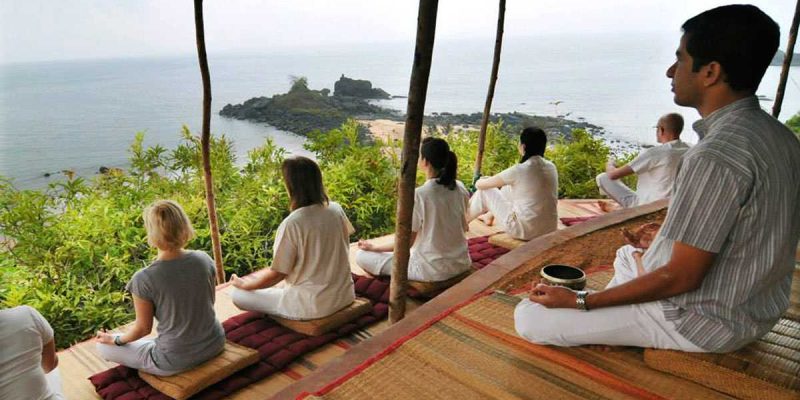
Mountain retreats may appeal to people who enjoy cooler weather and scenic views. Beachside retreats can provide a relaxing environment for yoga, meditation, and leisurely walks. Forest and countryside locations may be suitable for those who prefer quiet surroundings and closer contact with nature.
Consider travel time, accessibility, seasonal weather, and nearby facilities before booking. Choosing a convenient location can help you spend more time enjoying your retreat rather than managing travel arrangements.
3. Choose Activities That Match Your Interests
Wellness retreats can include several activities, depending on their focus and programme structure. Common options include yoga sessions, guided meditation, breathing exercises, nature walks, wellness workshops, and relaxation practices.
Review the daily schedule carefully to understand what is included. If you are new to yoga or meditation, choose a programme that welcomes beginners and provides clear guidance. Experienced practitioners may prefer sessions that allow them to deepen their existing practice.
Look for a balanced schedule that combines structured activities with opportunities to rest. A programme that matches your interests and energy levels can help you feel comfortable throughout your stay.
4. Check the Experience of Instructors and Practitioners
The people guiding your wellness experience can make an important difference. Before booking, learn about the instructors’ qualifications, teaching experience, and areas of expertise.
For yoga programmes, check whether instructors can accommodate different experience levels and offer appropriate modifications. If the retreat includes specialised wellness therapies, ask about the qualifications of the professionals responsible for delivering them.
Clear information about the team helps you make an informed decision and feel more confident about participating in the activities offered.
5. Compare Accommodation, Food, and Facilities
Comfortable accommodation and suitable meals can support a relaxing retreat experience. Check whether rooms are private or shared, what facilities are available, and whether the environment meets your preferences.
Food is another important consideration. Some retreats provide vegetarian meals, while others offer different dietary options. If you have allergies or specific dietary requirements, confirm these arrangements before booking.
Also review the amenities included in the package, such as yoga spaces, gardens, meditation areas, and access to outdoor activities. Understanding what is provided helps you compare retreats more accurately.
6. Set a Realistic Budget
Wellness retreats are available at different price points, depending on location, accommodation, programme duration, and included services. Establishing a budget helps you narrow down your choices without compromising on essential requirements.
Compare the total package cost rather than focusing only on the advertised price. Check whether meals, sessions, transfers, therapies, and activities are included or charged separately. Reading the cancellation and refund policies is equally important.
A suitable retreat does not need to be the most expensive option. Focus on the quality, relevance, and overall value of the experience.
7. Read Reviews and Plan Ahead
Reviews from previous visitors can offer useful insights into the quality of accommodation, teaching, food, and overall organisation. Look for consistent feedback across multiple reviews rather than relying on a single opinion.
Once you have shortlisted suitable options, confirm availability, programme details, what to pack, and transportation arrangements. Planning ahead can make your stay more comfortable and enjoyable.
Conclusion
Choosing the right retreat starts with understanding your goals and comparing the experiences available. When evaluating India wellness retreats, consider the location, activities, instructor qualifications, accommodation, food, and overall budget. Exploring different wellness retreats in India can help you find a programme that suits your interests and lifestyle. With thoughtful planning, you can enjoy a refreshing break, reconnect with yourself, and develop healthy habits that continue long after your retreat ends.