 By Zane Josie
Tissue repair is a complex biological process that relies heavily on efficient blood flow. Circulation delivers oxygen, nutrients, hormones, and immune cells to damaged areas while removing metabolic waste. When circulation is compromised, healing slows down and the risk of chronic dysfunction increases.
Circulation-based therapies focus on improving blood flow to accelerate recovery, reduce inflammation, and restore function. These approaches range from simple techniques like movement and heat application to more targeted methods such as compression and manual therapy.
This article explores how circulation supports tissue repair and outlines practical therapies that enhance this process in a safe and sustainable way.
Understanding Tissue Repair and Circulation
Tissue repair occurs in three primary stages:
- Inflammation phase: The body responds to injury by increasing blood flow and immune activity
- Proliferation phase: New tissue begins to form, supported by nutrients and oxygen
- Remodeling phase: Tissue strengthens and reorganizes over time
Each stage depends on proper circulation. Blood flow ensures that repair materials reach the injured area while waste products are efficiently removed.
Poor circulation can delay healing, increase stiffness, and contribute to long-term discomfort.
Why Circulation Matters for Recovery
Improved circulation offers several key benefits:
- Enhanced oxygen delivery to damaged tissues
- Faster removal of metabolic waste such as lactic acid
- Reduced swelling through improved fluid movement
- Better nutrient transport for tissue rebuilding
These factors collectively support faster and more effective healing.
Types of Circulation-Based Therapies
1. Active Movement and Exercise
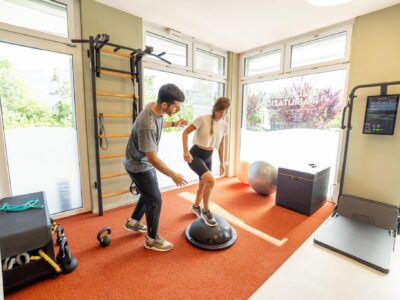
Movement is one of the most effective ways to stimulate circulation naturally.
Benefits:
- Increases heart rate and blood flow
- Promotes joint lubrication
- Prevents stiffness and tissue restriction
Examples:
- Walking
- Light stretching
- Mobility exercises
Even low-intensity movement can significantly improve circulation without stressing the body.
2. Massage Therapy
Massage applies mechanical pressure to soft tissues, enhancing blood flow and reducing muscle tension.
Key effects:
- Improves local circulation
- Breaks down adhesions
- Encourages lymphatic drainage
Different styles such as deep tissue or sports massage can be adapted based on recovery needs.
3. Heat Therapy
Heat increases blood vessel dilation, allowing more blood to reach targeted areas.
Common methods:
- Warm compresses
- Heating pads
- Warm baths
Heat therapy is particularly useful for chronic stiffness and muscle tightness rather than acute injuries.
4. Compression Therapy
Compression applies external pressure to support circulation and fluid movement.
Benefits:
- Reduces swelling
- Improves venous return
- Supports recovery after intense activity
Examples:
- Compression garments
- Recovery boots
- Elastic wraps
This method is widely used in both medical and athletic settings.
5. Contrast Therapy
Contrast therapy alternates between heat and cold exposure.
How it works:
- Heat increases blood flow
- Cold reduces inflammation
- Alternating cycles create a pumping effect in blood vessels
This approach can help reduce soreness and improve circulation simultaneously.
6. Cupping Therapy
Cupping uses suction to lift the skin and underlying tissues.
Effects include:
- Increased local blood flow
- Release of muscle tension
- Stimulation of healing processes
While it may leave temporary marks, it is often used to support recovery in targeted areas.
7. Electrical Stimulation
Electrical stimulation devices send mild impulses to muscles, encouraging contraction and blood flow.
Applications:
- Post-injury recovery
- Muscle reactivation
- Pain management
This therapy is typically guided by professionals for safe use.
The Role of the Lymphatic System
Circulation is not limited to blood flow. The lymphatic system plays a crucial role in removing waste and excess fluid.
Unlike the cardiovascular system, the lymphatic system relies on movement and muscle contractions.
Ways to support lymphatic flow:
- Gentle exercise
- Manual lymphatic drainage
- Proper hydration
Improving lymphatic circulation complements blood flow, enhancing overall recovery.
Choosing the Right Therapy for Different Conditions
Acute Injuries
In the early stages of injury:
- Focus on reducing inflammation
- Use cold therapy initially
- Introduce gentle movement as tolerated
Avoid excessive heat or aggressive techniques during this phase.
Chronic Pain or Stiffness
For long-term conditions:
- Use heat therapy to relax tissues
- Incorporate regular movement
- Apply massage or compression as needed
Consistency is more important than intensity.
Post-Exercise Recovery
After physical activity:
- Use light movement to maintain circulation
- Consider compression or contrast therapy
- Stay hydrated to support fluid balance
These strategies help reduce soreness and speed up recovery.
Combining Therapies for Better Results
No single method works best in isolation. Combining approaches often produces better outcomes.
Example recovery routine:
- Light movement to stimulate circulation
- Heat therapy to relax tissues
- Massage for targeted relief
- Compression to reduce swelling
This layered approach addresses multiple aspects of circulation and recovery.
Common Mistakes to Avoid
Overusing Passive Therapies
Relying only on treatments like massage or heat without movement can limit long-term benefits.
Ignoring Pain Signals
Therapies should not cause sharp or worsening pain. Discomfort may indicate excessive intensity.
Applying Heat Too Early
Heat can worsen swelling in acute injuries if used prematurely.
Inconsistent Application
Occasional therapy sessions are less effective than consistent, moderate use.
Lifestyle Factors That Influence Circulation
Circulation is not only affected by therapy but also by daily habits.
Hydration
Proper hydration supports blood volume and fluid movement.
Nutrition
A balanced diet provides nutrients necessary for tissue repair.
Sleep
Sleep is essential for recovery and cellular regeneration.
Posture
Poor posture can restrict blood flow, especially in the neck and shoulders.
Improving these factors enhances the effectiveness of circulation-based therapies.
Signs of Improved Circulation and Healing
As circulation improves, you may notice:
- Reduced stiffness
- Faster recovery after activity
- Decreased swelling
- Improved range of motion
These changes indicate that the body is adapting and repairing efficiently.
Long-Term Benefits of Circulation-Focused Recovery
Consistently supporting circulation can lead to:
- Better tissue resilience
- Reduced injury risk
- Improved physical performance
- Enhanced overall well-being
Rather than focusing only on short-term relief, these therapies contribute to sustainable recovery.
FAQ Section
How often should I use circulation-based therapies?
Frequency depends on the method, but most techniques can be used several times per week with moderate intensity.
Can circulation therapies replace medical treatment?
They can support recovery but should not replace professional medical care for serious injuries.
Is it safe to combine multiple therapies in one day?
Yes, as long as intensity is controlled and the body is not overstressed.
How do I know if a therapy is working?
Look for improvements in mobility, reduced pain, and faster recovery rather than immediate dramatic changes.
Are circulation therapies suitable for older adults?
Yes, but they should be adapted to individual tolerance and health conditions.
Can poor circulation cause chronic pain?
Yes, limited blood flow can contribute to stiffness, discomfort, and delayed healing.
What is the simplest way to improve circulation daily?
Regular movement, even light walking, is one of the most effective and accessible methods.
By focusing on circulation as a central element of recovery, you can support tissue repair in a way that is both effective and sustainable.