 By Zane Josie
The useful test begins after the first heavy set ends
Most gym gear earns its place in one moment. A daily belt faces a tougher test across one complete session. It should support squats, lunges, machines, and other lifts. It should stay comfortable between sets. A rigid belt may feel bulky during a varied session. A flexible design serves another goal. It supports movement and quick changes between different exercises. That balance is why a routine centered on the Versa Gripps Hyperbelt may appeal to lifters who want one belt across more exercises. It offers six-inch core coverage, adaptive tightening, a slim profile, and packable materials. These features need the right size and use. This guide explains how to measure, set the fit, brace, and adjust support. We also cover training purpose, comfort checks, cleaning, and storage. The benefit is a clear method for using a flexible lifting belt without treating it like a shortcut.
Why does that matter? A belt cannot replace form, loading, or practice. It should never block a full breath. The goal is feedback while you brace under each working load. That feeling may change slightly by exercise. An adjustable closure lets you change tension as needed. Fit begins with the body measurements listed by the maker, not a pants label. For this model, measure carefully around the torso at the belly button. Lifters between sizes are told to size down, but the current size chart should guide the choice. The sections ahead turn those details into simple checks for buying, wearing, and caring for the belt.
How to measure for a secure and comfortable belt fit
Measure around your belly button with soft tape. Keep it level around your torso. Stand naturally without pulling inward. Ignore jeans size when choosing. Record the number without crushing the tape. Compare it with the current product size chart. Measure twice when the result nears a limit. Choose the fit for your body today.
- Measure over a thin shirt or bare torso.
- Keep the tape snug but never compressed.
- Take two readings before choosing a size.
- Recheck after a large change in body weight.
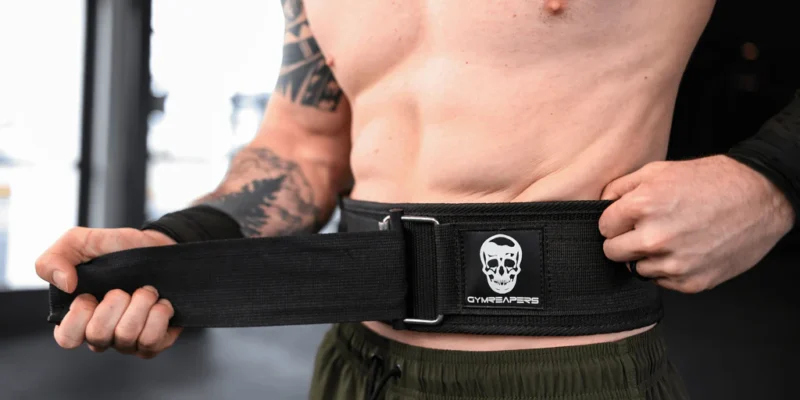
Once the belt arrives, place it above your hips. Tighten it until it feels snug and stable. You should still be able to take a deep breath. At rest, one or two fingers should fit beneath it. Test the closure with a light warm-up set. Stop if you feel pain, numbness, or blocked breathing. A sound fit supports bracing without fighting your body.
What to check while wearing the belt through training
Start with light weight and a familiar exercise during early warm-up sets. Notice the belt during breathing and movement from several angles. Adjust one thing at a time between two short test sets. Use these four checks before adding load to your working sets.
- Build pressure with your breath
Take air into your trunk before the rep. Brace outward against the belt without forcing the stomach inward. Keep that pressure steady through the hardest part.
- Watch the belt position
The belt should stay above the hips as directed. It should not roll, pinch, or slide during movement. Reset it if the edge presses into your ribs.
- Adjust support between exercises
Some sets may feel better with a firmer hold. Other movements may need a looser setting. Use the adaptive closure instead of accepting one fixed tension.
- Protect good lifting habits
Keep using safe form and planned loads. Do not add weight merely because you wear a belt. Ask a qualified coach for help when technique feels uncertain.
Why proper care and honest use help the belt last longer
A training belt collects sweat during gym sessions. Air it out after each workout. Keep it away from damp clothes. Close the fastener before storage. Check seams, padding, and closure for wear; spot-clean marks when needed. The maker states this belt is hand-washed only. Keep it out of the washing machine. Let it air dry or use a clean cloth.
- Follow the current care directions on the label.
- Use mild cleaning products only when approved.
- Keep hook-and-loop areas free from lint.
- Store the belt dry, flat, or gently rolled.
Care includes knowing what the belt should do. This model supports varied daily training. It is not a thick powerlifting belt for max lifts. Match your equipment to the session. Replace a belt with damaged parts or weak closure. Speak with a health professional about pain or injury. Smart use keeps support in its proper role.
Build better sessions around skill rather than equipment alone
A flexible belt can support training, but your habits still lead every session. We can measure carefully, test the fit, and keep full breathing available. We can adjust tension as exercises change. Good bracing, sound form, and planned loads remain essential. Regular care keeps the belt ready for use. Treat it as a tool, not a cure. Begin with warm-up sets and notice your response. Ask a coach when setup or technique feels unclear. If this style matches your training, review your measurements and current size chart. Then enter your next session ready to lift with patience, control, and purpose.